
Blog
Rooms that ask nothing of you
In the 21st century, we’ve watched as home design shifts to be practical and sociable, reflecting the high-productivity, always-on social environment many of us find ourselves in.
Lots of our rooms have become spaces either purely for function – like the kitchen and bedroom – or for activities that happen through a screen – like living rooms and offices, though nearly half of people (44%) either are trying or have tried to reduce their screen time.
At Neville Johnson, we’re seeing more requests than ever for rooms that are designed for disconnection, and to understand how interior design can make rooms that are more than just functional.
We believe that these third rooms that don’t just exist for function are special. They should be rooms that ask nothing of you.
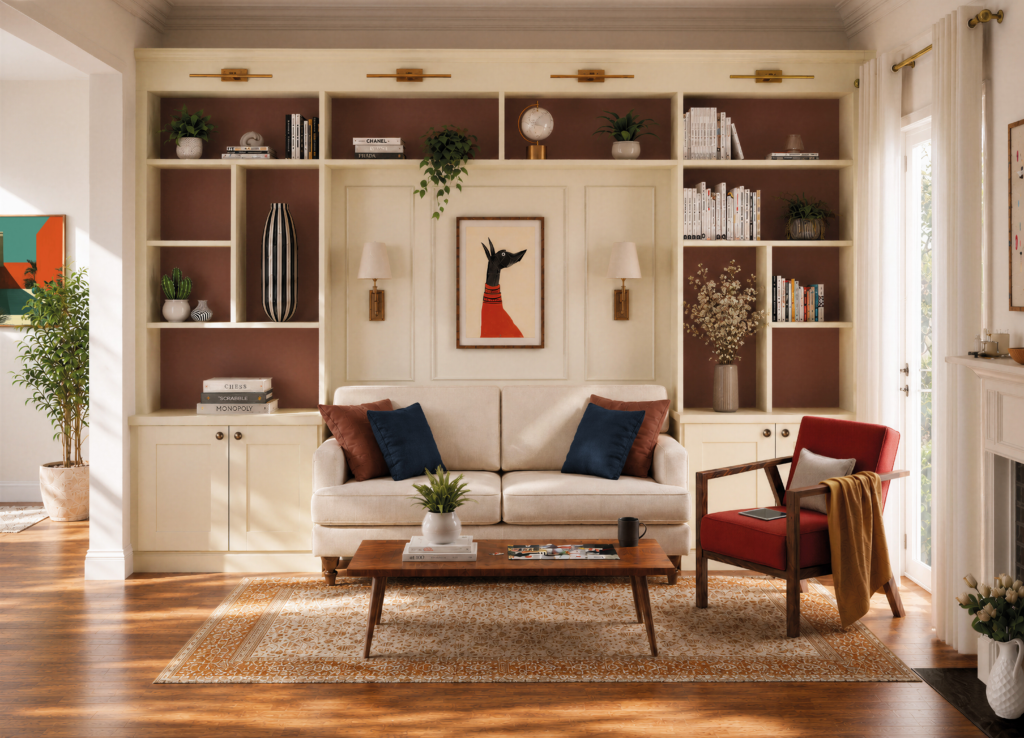
Digital intrusion and physical boundaries
Becoming ever more connected to the world around us has both its benefits and its drawbacks. Staying closer to friends and family, improved safety, increased efficiency and more are all positive changes that the digital world has given us. But now, when we’re connected to not just what’s outside our door, but to every corner of the globe, every minute of the day has become increasingly overwhelming.
Smartphones, smart home tech, and hybrid working have blurred the lines between public demands and private downtime, so it’s no wonder we struggle to relax in a room centred around a television screen or workstation.
Reclaiming empty bedrooms or underused reception rooms isn’t just an interior design choice; it’s a lifestyle reset that allows us to disconnect with purpose so we stay connected, but not so overwhelmed.
Transforming the spare room
Only 2% of people say they don’t have any “offline” hobbies, but nearly two-thirds of us don’t have any dedicated space at home for our pastimes, while just over a third struggle to store the equipment and resources needed for them, whether that’s books, models or musical instruments.
Spare rooms can remain shut up for weeks or months at a time, or they can transform into spaces that improve your life every day of the year.
One of the biggest changes many of us will go through at home is the arrival of the ‘empty nest’, and the realisation that there are now extra rooms in the house that aren’t being used on a day to day basis.
It can be a difficult time, but it’s also one many of our clients find really exciting: the opportunity to do something in the home that isn’t oriented around family life for the first time in years.
This can look like creating spaces specifically for the things that serve you and the things you love to do, not the other way around. No scrolling, no notifications pinging, no rushing out the door.
In this space, it’s all about you, and how you want to spend your time.
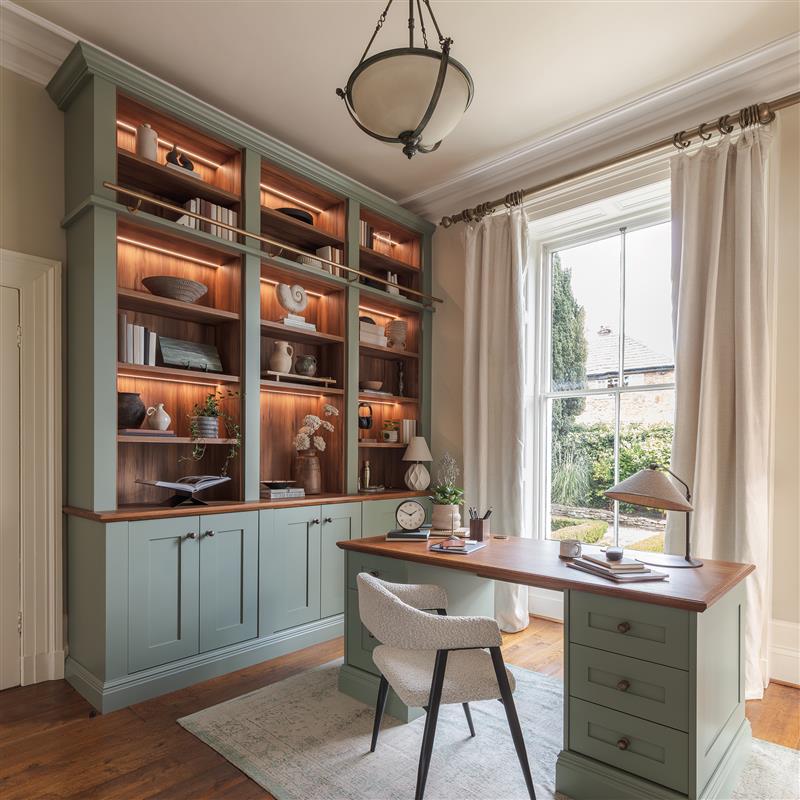
Rachel Stevens’ room that asks nothing of her
When we started working with Rachel Stevens on her new dressing room, she imagined a darker, more dramatic feel – something bold and atmospheric. But, as she began to reflect more deeply on how she wanted to use the space, and more importantly, how she wanted to feel in it, her vision began to evolve.
“I came to the conclusion of how I actually want to feel in the space,” she says. “The main thing was just to feel calm and serene.”
Without realising, Rachel was describing a room that asked nothing of her. That emotional clarity became the turning point. Rather than chasing just a specific look, the design became rooted in mood and a desire to create a sanctuary. A place where she could start her day feeling grounded or retreat in the evening to unwind.

Designing for calm: the principles of the third room
Designing a third room starts with you. What you want to use the room for will define what “good design” in your space looks like.
For a sprawling library, extensive storage space and open shelves make sensible design features, but for a craft space, flat workspaces and cupboards are in higher demand to create a space that blends calm with functionality.
In all rooms designed to ask nothing of you though, there are some design principles we keep in mind to create spaces that are peaceful, personal and practical.
Thresholds & transitions
Creating physical separation from high-traffic family areas and places where you know distractions are rife can help make the feeling of settling into your offline space even more satisfying.
Creating atmosphere
Quality materials do more than just last, they also make a space feel more comfortable and reassuring to be in. For spaces designed for calm, we often recommend warm accents and natural finishes like wood and soft, nature-inspired tones for painted furniture.
Lighting is also a brilliant atmosphere builder, so we consider lighting style, position, and temperature at the outset of your design, not as an afterthought.
Perfectly personal
Third rooms are some of the most varied spaces we help our clients create. We start every project with a complete blank slate, allowing us to create unique furniture expertly tailored to the way you want to use that space.
Custom shelving holds curated memories, feature pieces and heirlooms, while loveseats and concealed beverage stations make a space feel extra special.

Investing in peace of mind
In a hyper-connected world, true luxury isn’t about integrating more technology – it’s about having the time, quiet, and space to step away from it.
A third room designed to prioritise your emotional wellbeing asks nothing of you and freely gives opportunities for focus, privacy and peace. By transforming underused spaces into bespoke sanctuaries, you reclaim your time and create a home that genuinely restores you.
Discover rooms that ask nothing of you
To discover how custom-fitted libraries and bespoke joinery can help you reclaim your space, request our brochure or book a free design visit today.
Get in touch