Design
Dear Future Me: A Study Designed for the Life you Want to Live
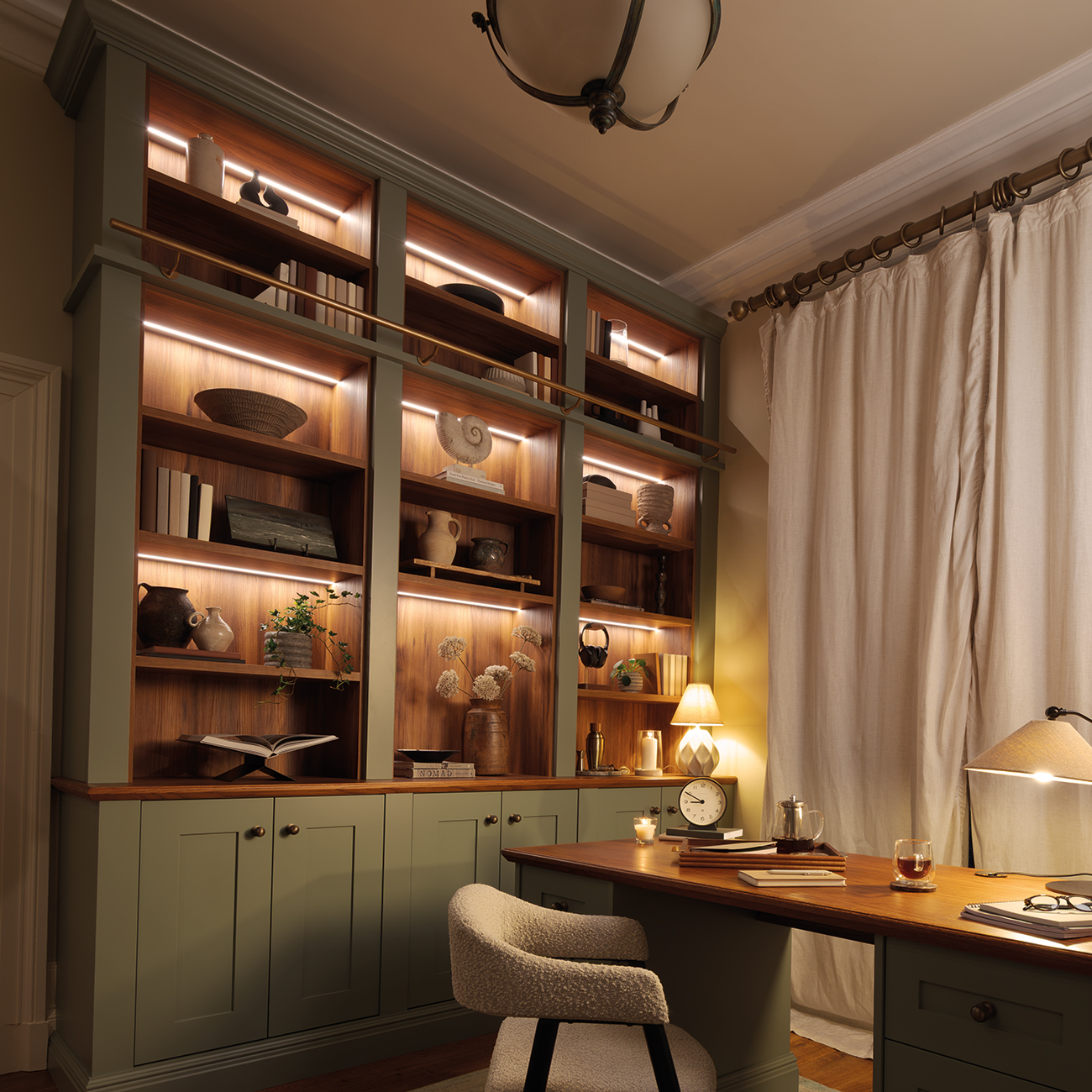
When it comes to a home study, good design can shape your tomorrows before you get there yourself – helping reflect not just who you are, but who you want to become.
These spaces have so much potential to be more than just a backdrop for today’s to-do lists, offering a setting for tomorrow’s rituals, goals and pace too.
That’s why, when we’re working with you to design your perfect study, framing it as a letter to your future self is not just a wonderful exercise, it’s also a really valuable exercise in creating a space that helps deliver the life you want to live.
An Investment in your Future Self
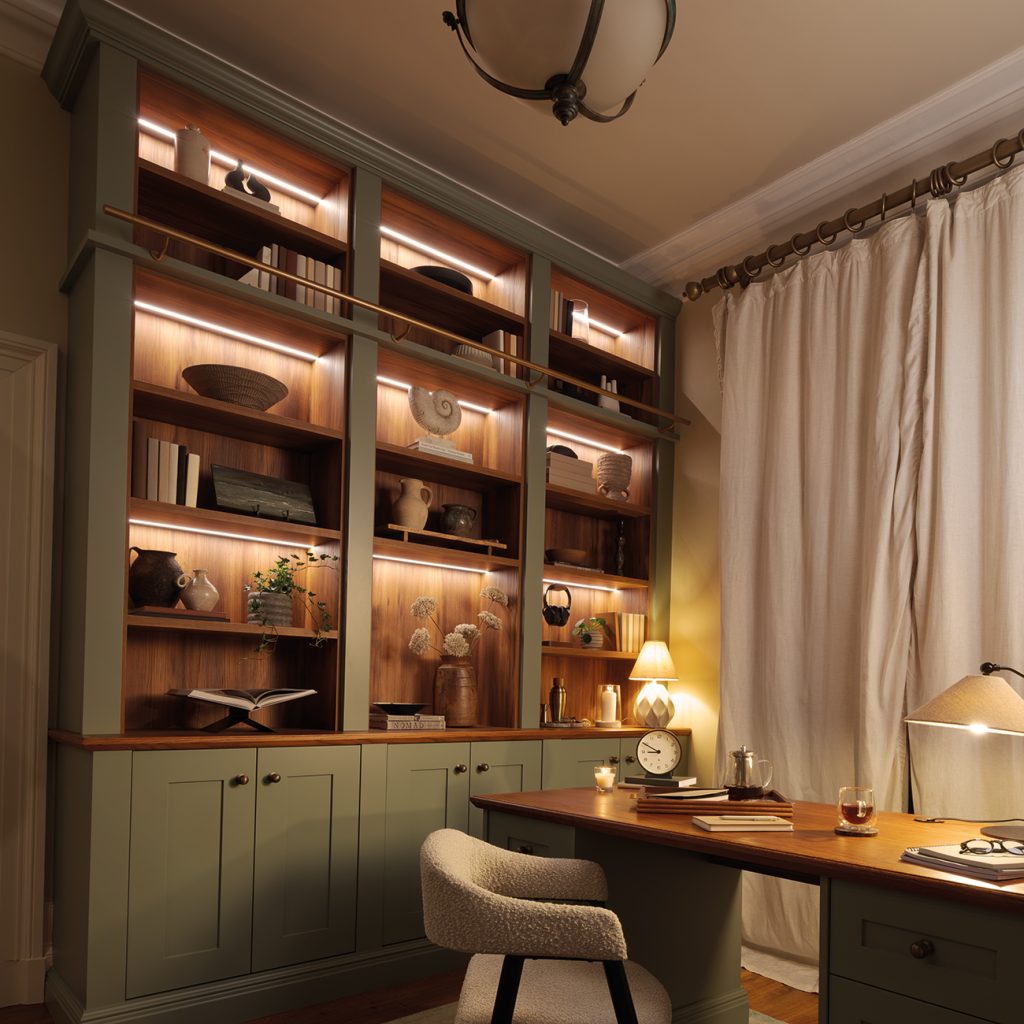
Designing your home is a fabulous form of self-expression, and it’s also a way of investing in your future peace, purpose and – in work-focused rooms – productivity.
When you plan a study with this in mind, your finished space can help you live more intentionally, supporting your long-term lifestyle and work goals and providing a place that serves the needs of all the family.
Where to start? To put your initial thought process on the right path, our experts suggest asking the following questions:
- What balance do I need between clarity, creativity and calm?
- What rituals do I want to nurture; morning journaling, reading in the evening, Sunday stillness, seamless life admin, wellness and exercise routines?
- What hobbies or interests would I love to find space for here?
- Which habits do I want this room to make effortless six months from now?
- And a year from now, how should this space have changed my day?
A room that nudges you forward
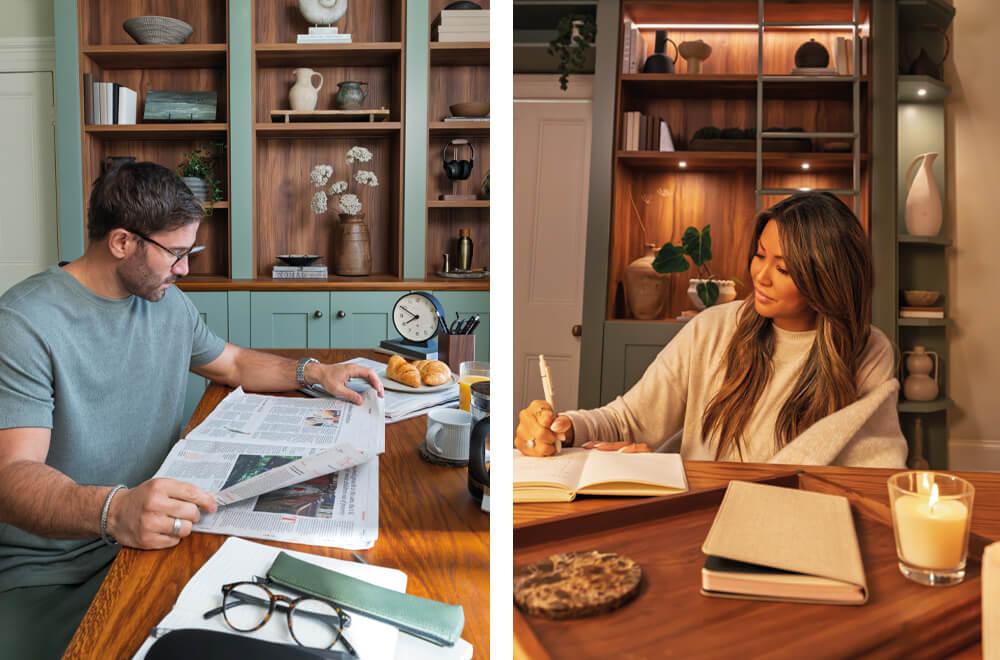
A beautifully designed study is a space where thinking takes shape; where pages fill, ideas develop, new skills begin and old ones deepen.
Give yourself a place to write, reflect, learn or reset and the return isn’t just a neater diary – it’s a calmer mind, clearer priorities and a steadier pace.
And when a room supports reflection as well as action, the benefits ripple far beyond its four walls.
By placing the right things within easy reach and distractions out of sight, a study designed for the life you want to live isn’t about relentless productivity – it’s about offering the tools you need to move gently towards your goals, in a setting that inspires you every day.
Design the rituals, then design the room
Life changes rarely arrive as a grand gesture, they’re more about the slow, steady pull of small acts: lines in a journal, a streak of creative moments, 20 minutes spent with a book instead of a screen.
If you build a space around these micro-moments, they stack up to become the foundations for bigger life shifts like better focus, gentler evenings and weeks that feel more composed from Sunday on.
Here’s a good place to share a secret from the Neville Johnson playbook – a study that genuinely supports your life starts long before finishes and fittings; it starts with the repeatable sequences that you want to anchor your day.
When we map them with you, a design can fall into place almost by magic: surfaces in the perfect position, storage that makes sense by feel and by sight, everything you need always within reach.
But how do you map a ritual?
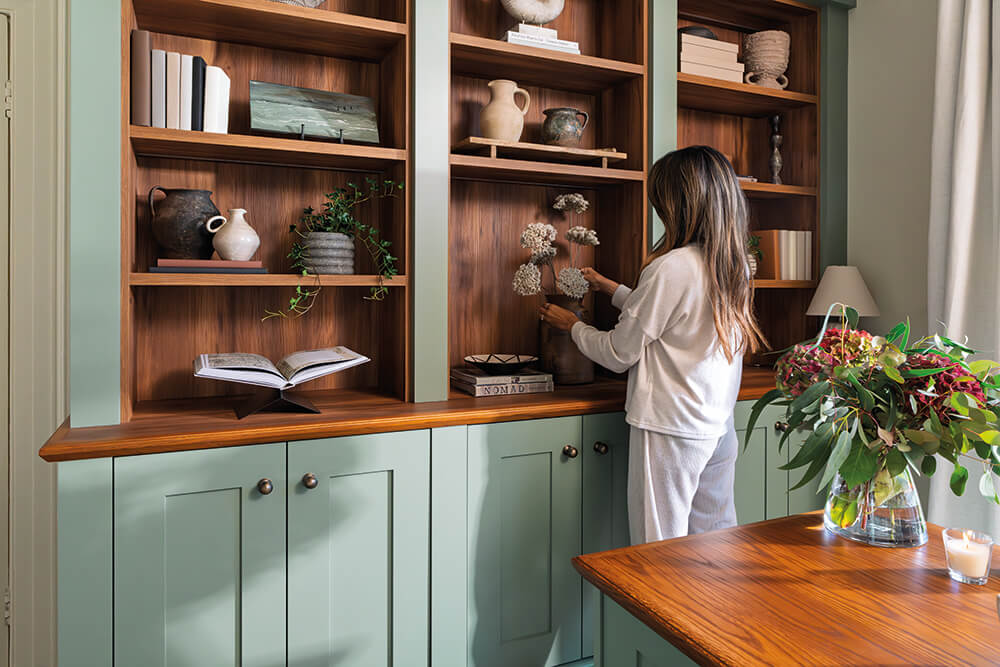
First, you need to begin with verbs, not things – sit, type, read, write, reach, file, charge, reset – then plot the physical sequence, from hand movements and necessary items to perfect positioning within the room.
This process leads to spaces that smooth all these actions: layouts designed for an effortless approach, workspaces served by storage, cabinetry that displays what you love and hides what you need and lighting that makes it all feel effortless.
And this is the beauty of bespoke design, it creates solutions that choreograph your rituals so they happen without effort; you just bring the rhythms you want to create and the habits you want to build, and we translate them into a room that serves both.
How to turn Intention into Space
The best studies are the ones which serve your needs for today and anticipate your priorities for tomorrow, whether that’s hobbies you want to make time for, courses you want to take or Sunday routines you’d love to create.
And taking an intentional approach to design is how we shape your space around your purpose, whether it’s clarity, creativity or restoration.
If you’re seeking clarity…
Those wanting to focus on clarity should aim for a look that feels edited, serene and distraction-free.
- Palettes should be based on tones that keep visual noise quiet – muted greens, gentle neutrals and deep, cosseting blues are perfect.
- Build in plenty of concealed cabinetry to keep paperwork, tech and cables neatly out of sight, and incorporate slim drawers for daily essentials.
- Choose crisp, even task lighting around workspaces and gentle, wall-washing lights to avoid harsh contrast.
- Layouts should place workspaces facing calm – gardens, wall-hung artworks, curated shelves.
- For the details, minimal styling keeps things serene, with a few beautiful objects on display, picked for their power to inspire.
If the brief is creativity…
Here, your design should be focused on flow, inspiration and easy restarts.
- Choose a base of fresh tones and natural textures – and psychologically, well-placed pops of colour (whether from accents in your decor or your styling) can act as a wonderful catalyst, lifting your energy and nudging you into creative flow.
- Build in analogue spaces for hands-on work too; screen-free writing desks, “make” zones, feature pinboards – all can be kept separate so your digital work doesn’t compete with your creative process.
- Keep references within reach, with open library shelving that places favourite reads close at hand.
- Give music a considered home – a turntable shelf, rows for treasured vinyls, discreet integrated speakers.
- Build in light that layers, with clean, accurate task lighting and gentle shelf lighting for relaxation and reflection.
- Create a setup that honours your craft – views that inspire (whether that’s garden framing, favourite artworks or treasured pieces), zones for different elements of your work and tactile details that elevate, from leather writing insets to smooth drawers.
And if restoration is your North Star?
Every element should cue calm and unhurried vibes.
- Opt for a soothing palette – one of our all-time favourite combinations for a restorative study space is to blend pale neutrals with warm timbers – and soften further with tactile layers: wool, bouclé, linen, velvet.
- When designing storage for switch-off spaces, use closed cabinetry to “put the day away”, add elements that keep devices, wires and charging stations invisible and incorporate plenty of options to house what you need to kick-back, from somewhere to keep your journal to closed cabinetry for your yoga equipment.
- Choose light that unwinds – build cooler, overhead illumination directly above task areas, and pair warm, dimmable wall lights with integrated LED feature lighting so you can change the mood as needed when the room’s purpose shifts.
- Layouts should be designed for pure ease: give the best light to reading and work areas, create surfaces and storage at different levels, make sure the flow is effortless throughout the space.
Legacy luxury: design once, design beautifully
For us, there’s a particular kind of luxury that comes from living with things made to last; intentional styles designed to outlast passing trends, crafted from materials that will age with grace.
It’s a core concept here at Neville Johnson, one we call legacy luxury, and we firmly believe that investing once helps you live better, longer.
For the last forty years, our talented team has designed studies, studios and third room spaces that do precisely this – rooms with purpose, tailored to the person who’ll use them most.
Our pieces aren’t just functional, they’re foundational; designed around you, your rhythms and your rituals.
Ready to make space for the life you want to live? Our talented team would love to help.
To begin your own Neville Johnson journey, simply click here to request your complimentary design consultation today.