Blog
The 5am Club is Tired
We’ve all heard the phrase “the early bird gets the worm”. We’ve all seen influencers, authors, and CEOs extolling the benefits of a 5am alarm for their productivity. And we’ve all felt the exhaustion when the alarm pulls us out of bed far too early after a bad night’s sleep.
The average Briton gets up at 7am, with the median parents of young children being the earliest risers (at 6:30am), and retirees the latest (at 8am).
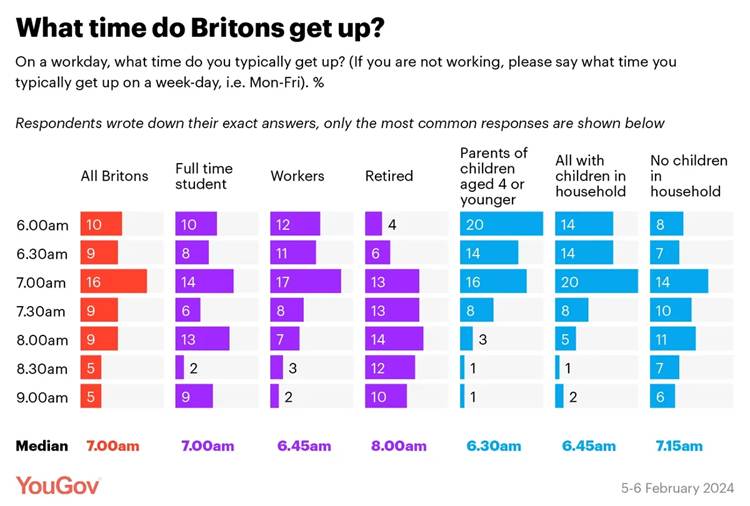
1: Credit: YouGov
Early wakeups have become increasingly popular among celebrities and influencers, and many of us have felt tempted to give these routines a try, but is there actually any benefit to a 5am alarm?
In this article, we’ll answer this question, diving into the sleep science behind when we should be waking up, the impact of battling your internal alarm clock, and how to get the best quality sleep.
The dangers of losing sleep
Many of us know we should be getting more sleep, but poor sleep quality can be just as damaging as too little sleep. Interestingly, humans are the only mammals that willingly delay sleep, using external stimulation to keep us awake when we should be sleeping (or to wake us up before we naturally would in the morning).
When rest is fragmented or too light, the brain misses the vital stages that support memory, emotional balance and physical repair. Over time, this disruption affects concentration, decision‑making and mood, while also weakening immunity and increasing stress. It’s linked to higher risks of heart disease, type 2 diabetes and poor mental health.
This means that even if you do spend enough hours in bed, you can still wake up feeling foggy and depleted. It’s the depth and continuity of sleep, not just the clock, that restores the body properly.
The early bird vs. the night owl
It’s an age-old question when it comes to sleep – are you an early bird or a night owl?
It turns out most of us are neither.
There are lots of different ways scientists can categorise people’s internal body clocks, or chronotypes.
Understanding sleep chronotypes
Your chronotype is how your circadian rhythm shows up in daily life, which may or may not match daylight hours, depending on when your body prefers to sleep and wake. It also influences when you are likely to feel most focused, physically capable, and creative.
Chronotypes vary from person to person and are influenced by factors such as:
- Age: Your chronotype can shift over time. Children often have earlier chronotypes, which tend to become later during adolescence (which is why it’s so hard to get teenagers out of bed!) and shift back again in adulthood.
- Genetics: Research suggests chronotypes can be inherited, and several genes have been linked to them.
- External influences: Light exposure in summer and winter, work schedules, and lifestyle choices can also impact chronotypes.
Which sleep chronotype are you?
One of the most popular frameworks was made by Dr. Michael Breus, who describes four different chronotypes:
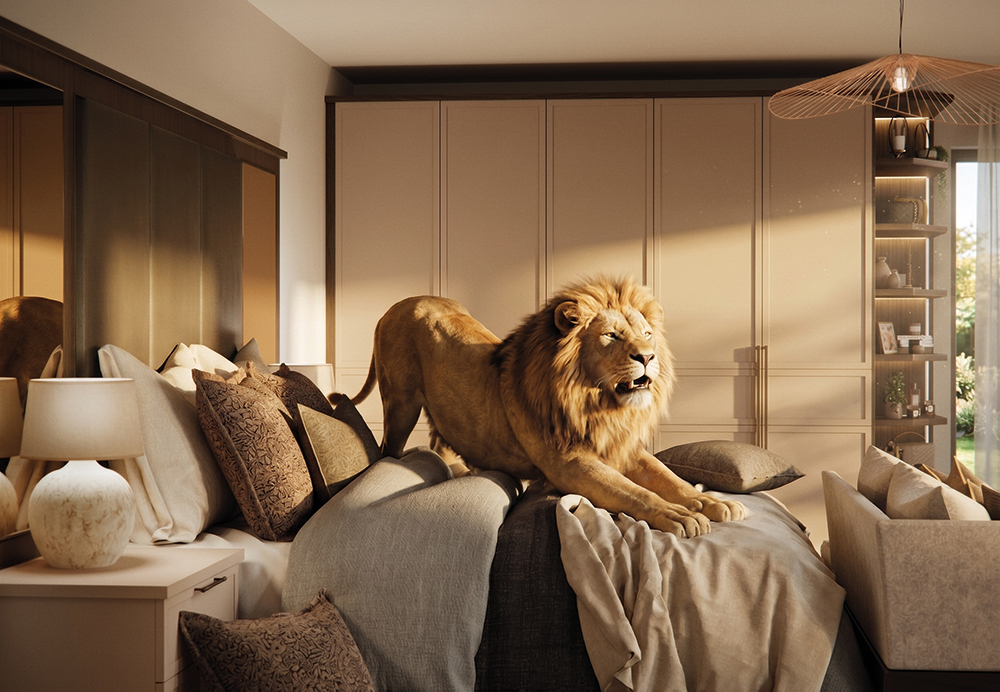
The Lion
15% of people are what we’d usually call an early bird. Lions naturally wake up early, and are most productive between around 9am and 2pm, but feel more sluggish in the evenings.
The Bear
Just over half of people are the bear chronotype. Bears tend to follow the sun in their waking hours, and are most productive in the late morning, with a slump in mid-afternoon before picking back up again in the evening.
The Wolf
Your classic night owls, wolves prefer to sleep around or after midnight. This means they wake up later in the day, and are most productive in late afternoon and the evenings. 15% of people are wolves.
The Dolphin
Dolphins are the rarest of the four chronotypes, and make up about 10% of the population. Dolphins are sensitive, light sleepers, and struggle to keep a regular sleep schedule because of this.
How to get the best sleep of your life
All this goes to show that the 5am alarm really isn’t for everyone, and it’s nothing to do with your tenacity or motivation to be able to get out of bed!
Even if your chronotype makes it hard to get as much time in bed as you’d like, you can still control the quality of the sleep you get, shifting focus from strict bedtimes to better sleep hygiene to promote better rest, whenever your body clock calls for it.
Sleep expert guidance from the NHS includes:
- Eat lighter in the evenings and avoid caffeine – Going to bed too full can disturb your sleep as your digestive system works overtime. Caffeine and nicotine can take up to 6 hours to wear off, so avoid them after lunch if you can.
- Get outside & exercise during the day – Exposing your body to natural light and keeping it moving helps to keep your brain engaged and balanced (particularly in the mornings and afternoons), no matter which sleep chronotype you are.
- Avoid using your bedroom when not sleeping – even calming activities like reading are best done in another space – like a beverage station or library nook – so that when you get into bed, your brain knows it’s time to sleep.
- Create the right environment for sleep – Cool rooms (16-18 degrees Celsius) that aren’t completely silent are best for sleep. This aligns with our natural drop in body temperature at bedtime and prevents disruption from overheating during deep REM sleep. Complete silence can also make us more alert, as even quiet noises are noticeable, which is why ambient sound like oceans and rainfall sounds are so popular.
- Use all your senses – Scent has a powerful relationship with memory and relaxation. If there’s a fragrance you already associate with switching off, introducing it consistently into your evening routine can help train the brain to recognise sleep cues more quickly. A bedside diffuser, lightly scented linen spray or drawer sachets can all help create that association over time.
- Don’t force sleep – If you’re struggling to drop off, don’t make it stressful. Keep clocks out of your bedroom so you can’t keep checking them, and if you’re not tired, get up and do something relaxing in another room. Then, when you’re tired, try again.
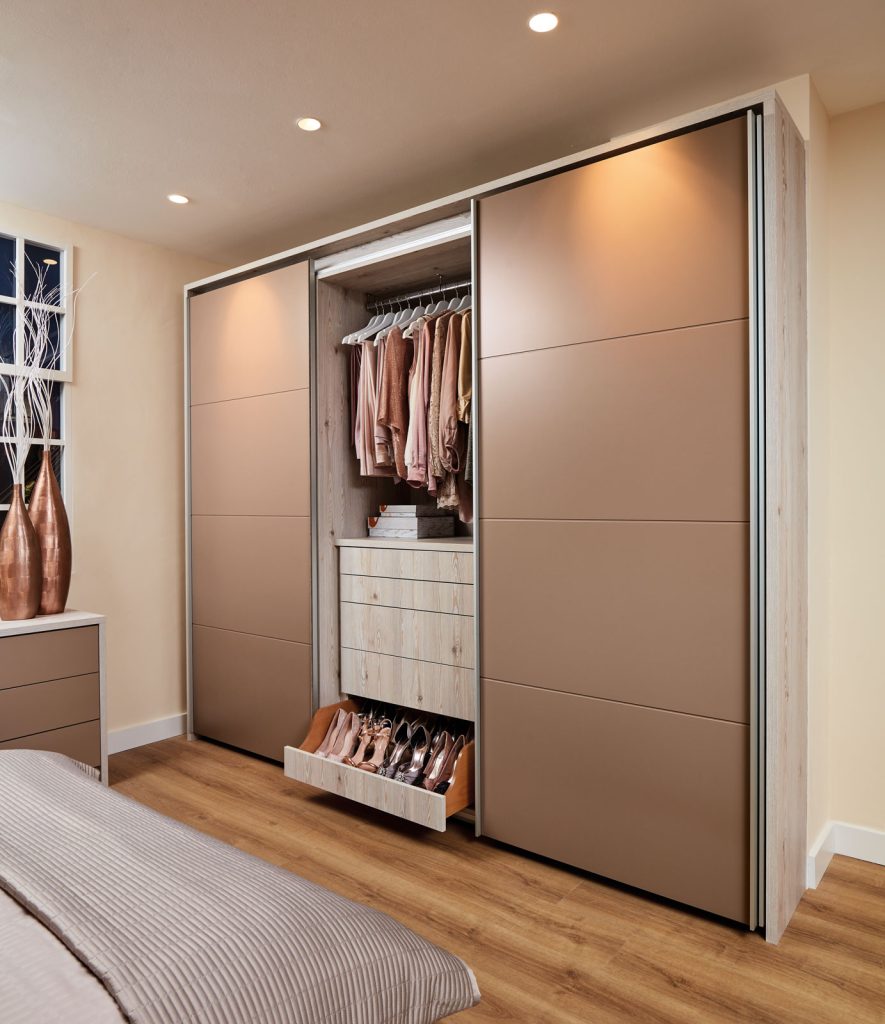
At Neville Johnson, we deeply understand the power of place to make you feel calmer, more relaxed, and happier at home. In our client’s bedrooms, we create a whole range of furniture solutions to make your sleep space into your sanctuary, and help you fall asleep more quickly, more consistently, and wake up feeling your best.
Get in touch to learn more and speak to a local designer about your bedroom project.
Speak to a designer